
COVER STORY: WHY SOME DAIRY FARMERS PRODUCE TWICE AS MUCH MILK FROM SIMILAR COWS
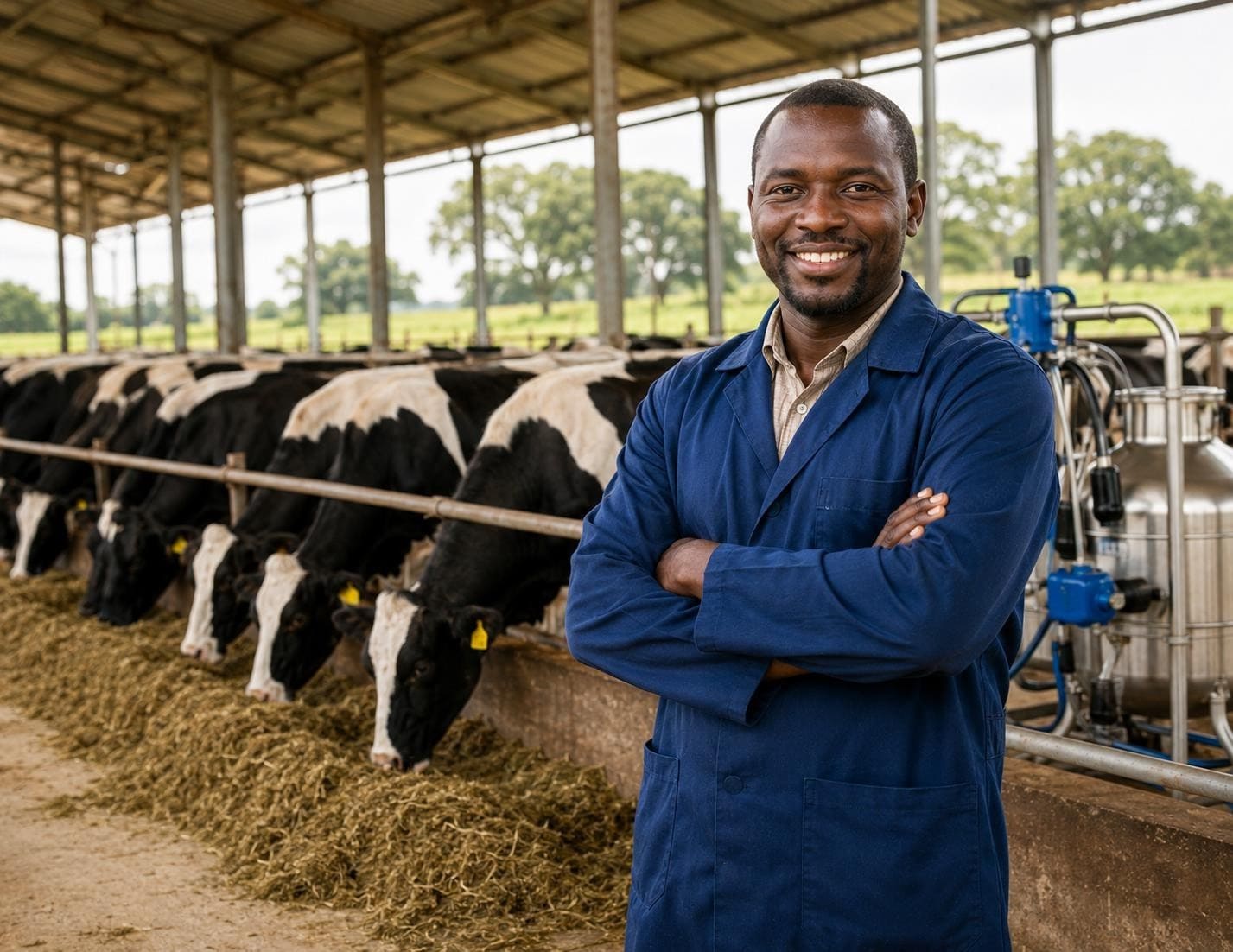
Figure 1Kenyan dairy farmer standing beside healthy Friesian cows in a clean zero-grazing unit.
Across Kenya, two farmers may own Friesian cows of similar age, weight and breeding—yet one farmer produces 25 litres per cow per day while another struggles to reach 12 litres.
Why?
The answer lies in management.
High-performing dairy farms focus on seven key drivers of milk production:
- Genetics
- Nutrition
- Water
- Animal Health
- Reproduction
- Milking Practices
- Farm Management
The most productive dairy farmers understand that milk production is not determined by breed alone. The real difference is how effectively a cow’s genetic potential is unlocked.
QUICK FACT
A cow producing 25 litres of milk daily may consume more than 100 litres of water every day.
THE 7 DRIVERS OF HIGH MILK PRODUCTION
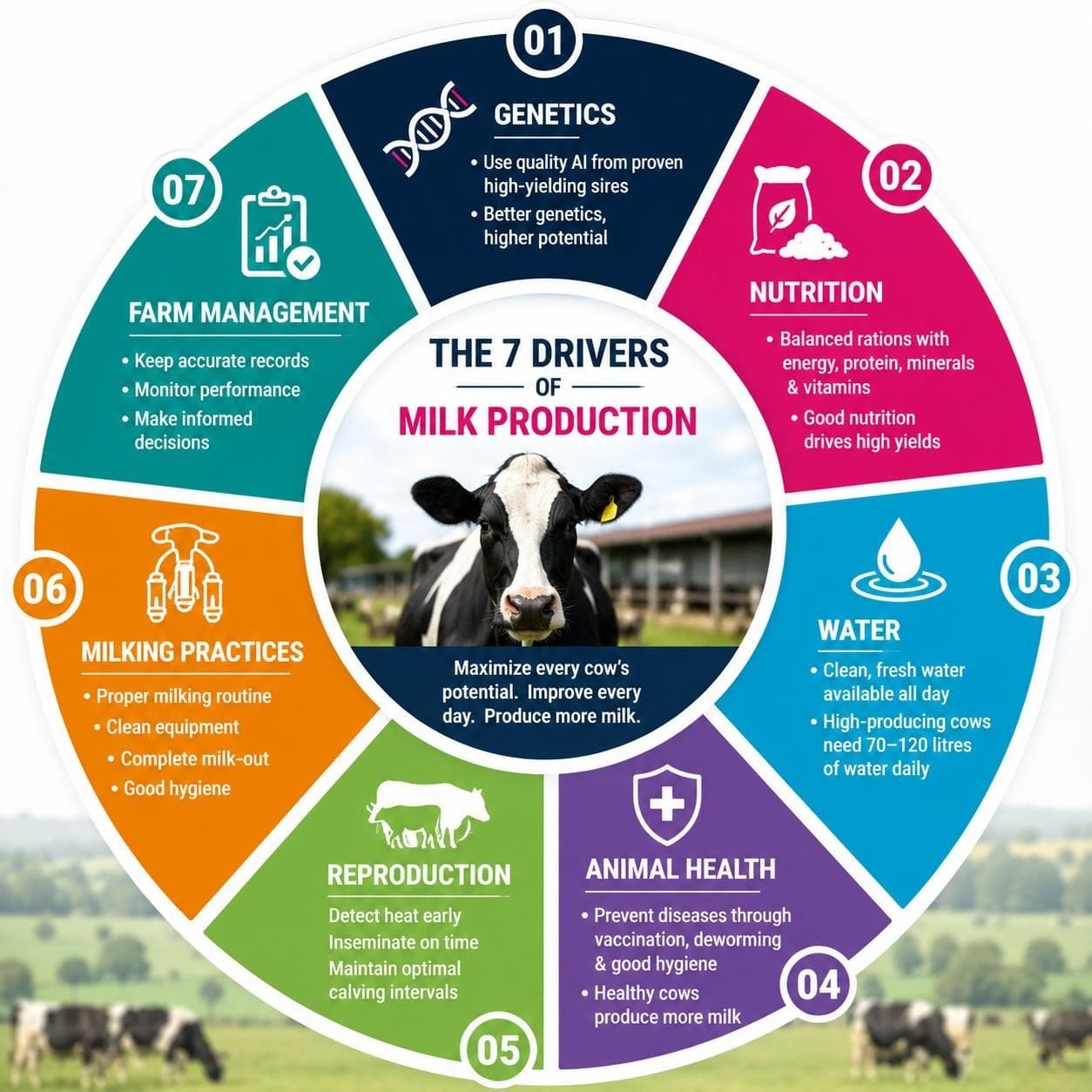
Figure 2″The 7 Drivers of Milk Production” wheel diagram.
1. Genetics
Good breeding creates the foundation for productivity.
Farmers who consistently use quality Artificial Insemination (AI) services often achieve:
- Higher milk yields
- Better fertility
- Improved longevity
- Stronger disease resistance
2. Nutrition
Milk is produced from nutrients.
Poor-quality forage, inadequate protein and inconsistent feeding programs limit production regardless of breed quality.
3. Water
Water is the cheapest milk booster available. Milk is approximately 87% water. Without adequate access to clean water, production drops quickly.
4. Animal Health
Healthy cows are productive cows. Common threats include:
- Mastitis
- Tick-borne diseases
- Internal parasites
- Lameness
5. Reproduction
A cow that calves regularly produces more milk over her lifetime. Efficient heat detection and AI programs improve profitability.
6. Milking Practices
Proper milking routines improve:
- Milk quality
- Hygiene
- Udder health
- Labour efficiency
7. Record Keeping
The best dairy farms measure everything. What gets measured gets managed.
KENYA DAIRY SNAPSHOT
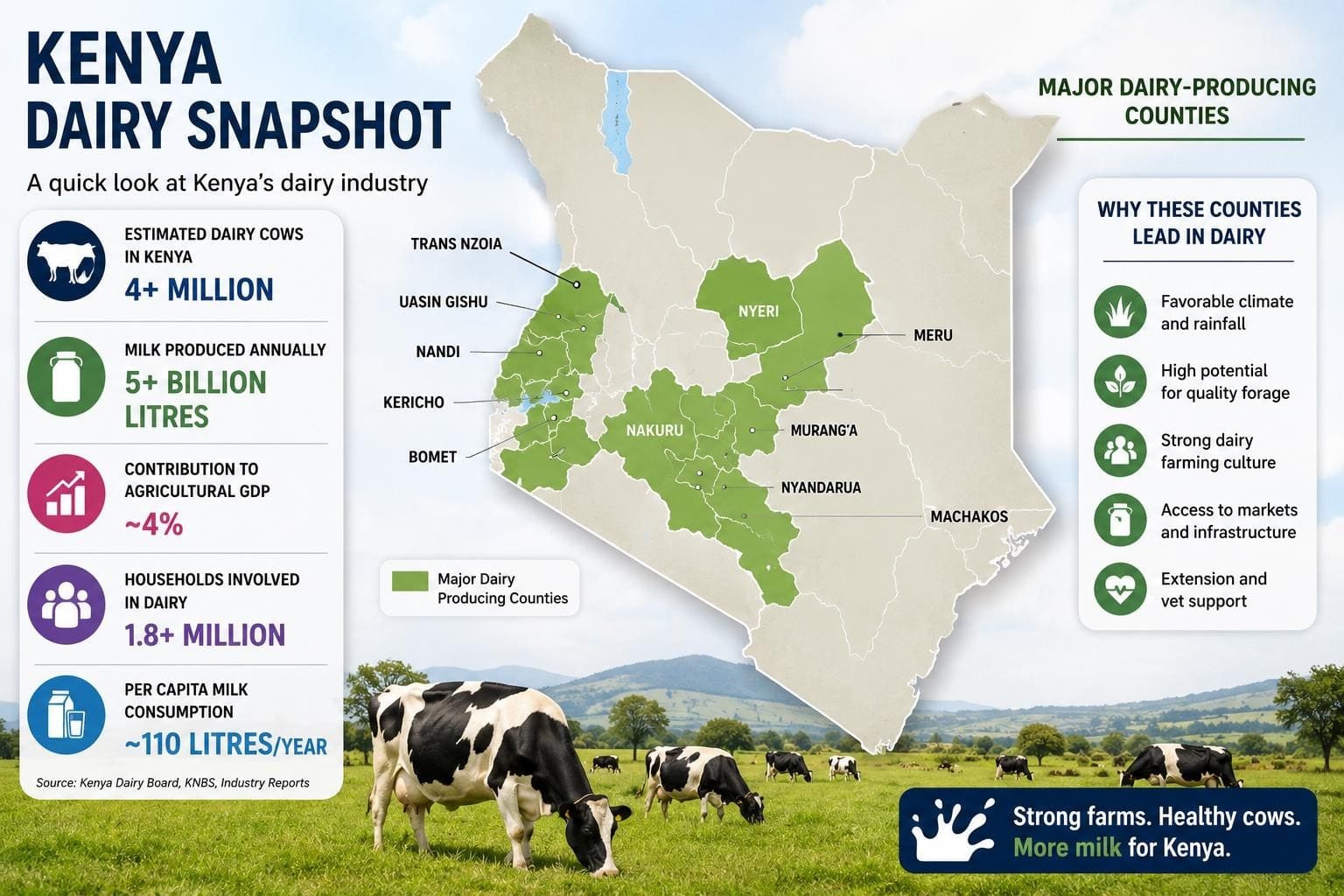
Figure 3: Map of Kenya highlighting major dairy-producing counties.
- Estimated dairy cows in Kenya: Over 4 million
- Milk produced annually: More than 5 billion litres
- Contribution to agricultural GDP: Approximately 4%
- Number of households involved: More than 8 million Source: Kenya dairy sector reports
DID YOU KNOW?
A single case of mastitis can reduce milk production by 10%–30% during a lactation cycle.
MEDILINK EQUIPMENT SPOTLIGHT
MILKING MACHINES
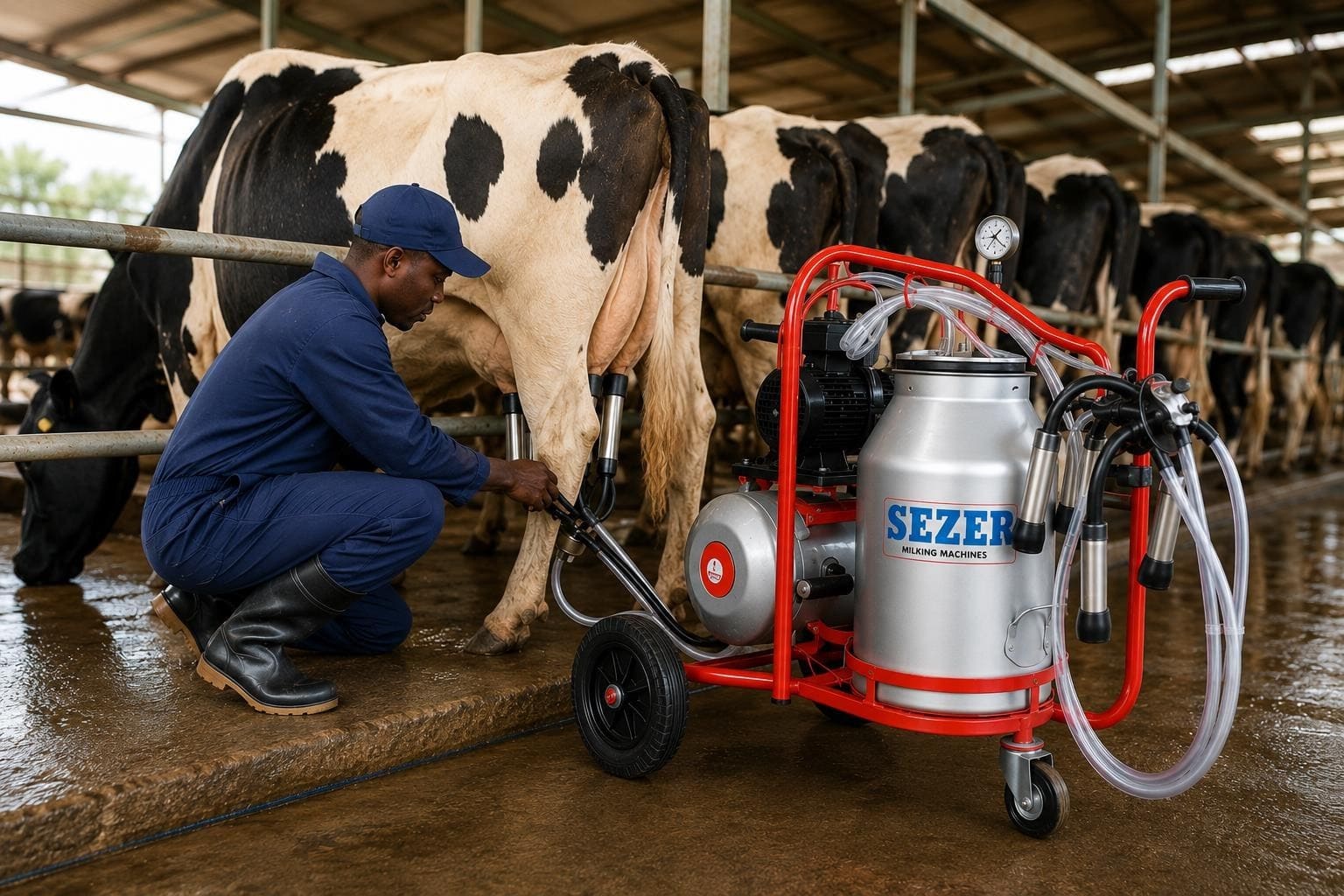
Figure 4: Medilink milking machine in operation
Many dairy farms lose money through:
- Labour inefficiencies
- Inconsistent milking
- Poor hygiene
- Delayed milking schedules
Modern milking machines help improve consistency while reducing labour demands. Benefits include:
- Faster milking
- Better milk hygiene
- Reduced labour costs
- Improved udder health
- More consistent milk harvesting
Contact Medilink Vet Suppliers to learn which system is suitable for your farm size.
VETERINARY CORNER
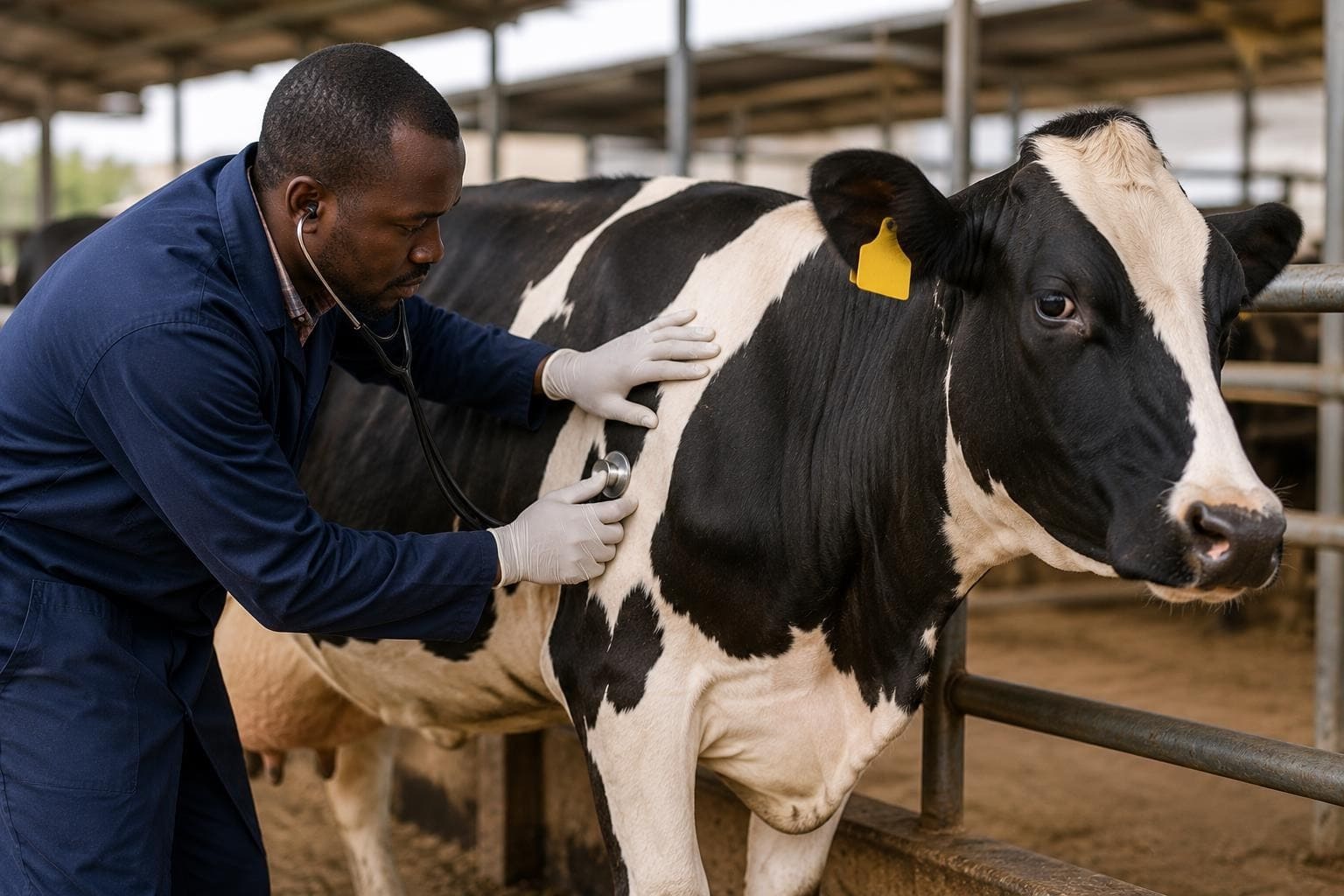
Figure 5: Veterinarian examining a dairy cow.
5 EARLY WARNING SIGNS OF MASTITIS
Watch for:
- Clots in milk
- Swollen udders
- Reduced milk yield
- Pain during milking
- Changes in milk appearance
Early detection prevents significant financial losses.
MYTH VS FACT
Myth: A Friesian cow automatically produces high milk yields.
Fact: Management determines whether a cow reaches her production potential.
Myth: More feed always means more milk.
Fact: Balanced nutrition matters more than quantity.
Myth: Only large farms need milking machines.
Fact: Even small farms can benefit from labour savings and improved hygiene.
TECHNOLOGY WATCH

Figure 6: Modern dairy technology collage showing sensors, herd management software and automated milking
HOW DAIRY FARMERS ARE USING TECHNOLOGY
Around the world, dairy farmers are increasingly using:
- Digital herd management systems
- Activity monitoring collars
- Automated milking systems
- Heat detection sensors
- Milk quality monitoring equipment
While not every farm requires advanced technology, modern equipment helps farmers make better decisions and improve productivity.
SUCCESS STORY
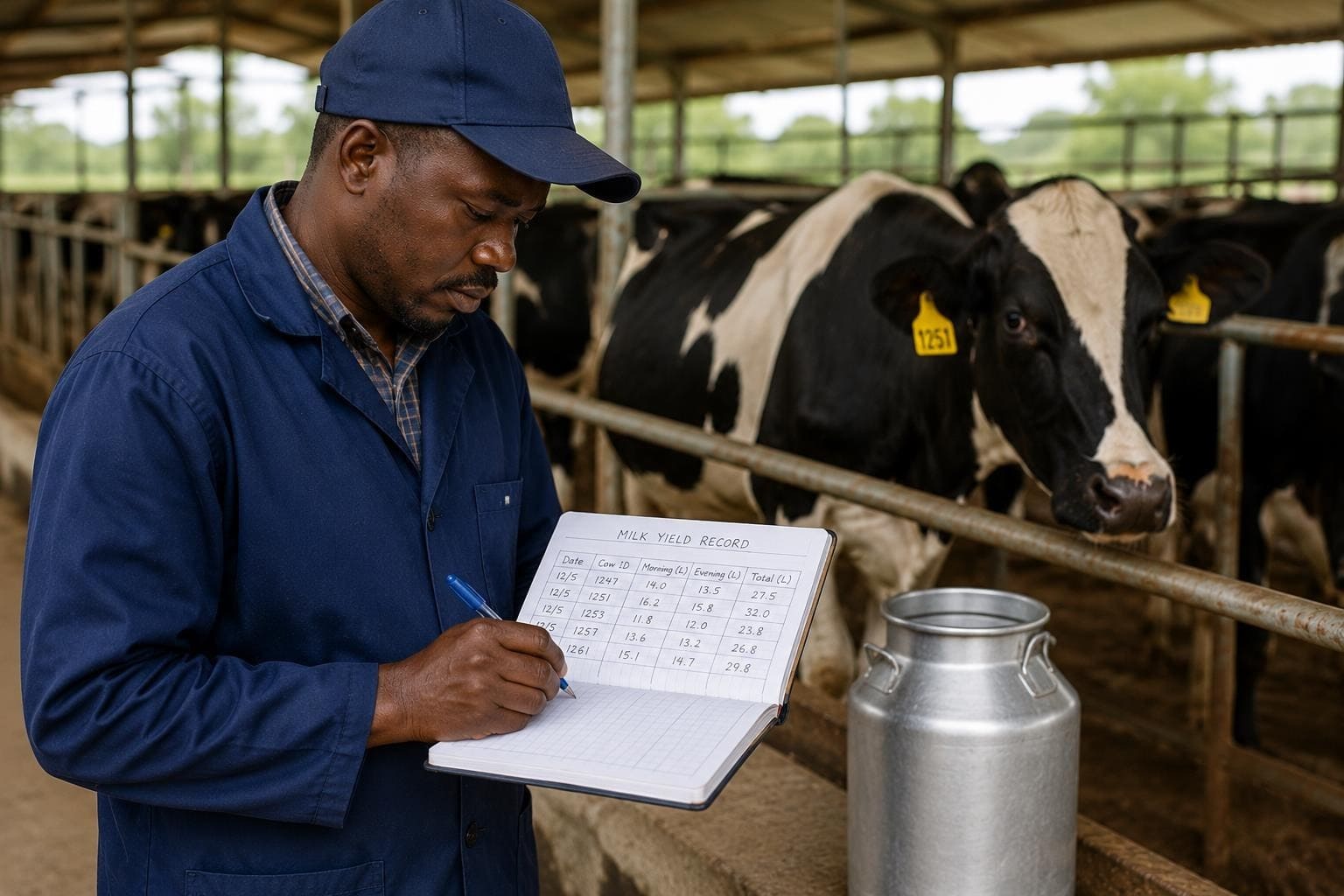
Figure 7: Farmer recording milk yields in a farm notebook.
FROM 12 LITRES TO 22 LITRES PER COW
A dairy farmer in Central Kenya reviewed his operation and focused on:
- Better forage quality
- Improved breeding decisions
- Consistent deworming
- Proper record keeping
Within two years, average milk production increased by more than 80%.
The lesson: Small improvements made consistently produce remarkable results.
NUMBERS THAT MATTER
100 litres: Average water requirement of a high-producing dairy cow per day. 60%: Approximately how much farm expenditure can be attributed to feeding. 21 days: Average dairy cow heat cycle.
280 days: Average lactation period.
QUICK CHECKLIST
IS YOUR FARM LEAVING MONEY ON THE TABLE?
- Water available 24/7
- Balanced ration program
- Regular deworming schedule
- Vaccination records maintained
- Heat detection system in place
- Milk production monitored daily
- AI records maintained
- Milking equipment serviced regularly Score:
- 7–8 ✓ Excellent
- 5–6 ✓ Good
- 3–4 ✓ Needs Improvement
- 0–2 ✓ Immediate Action Required
ASK THE EXPERT
Question: What is the single most important factor affecting milk production? Answer: Nutrition.
Even genetically superior cows cannot produce milk efficiently without access to balanced feed, clean water and proper mineral supplementation.
CONTACT MEDILINK VET SUPPLIERS
Your Trusted Veterinary Equipment Authority Products & Solutions:
- Artificial Insemination Equipment
- Milking Machines
- Dairy Equipment
- Veterinary Equipment
- Livestock Handling Equipment
- Animal Identification Systems
Website: www.medilink.co.ke
Phone:
0743 621263
Email: biz1@medilink.co.ke