Medilink Vet Suppliers

SEZER MILKING MACHINES

Early morning milking using a Sezer milking machine in a Kenyan zero-grazing unit.

A few years ago, I watched a farmer lose the first litres of morning milk because the milking routine was rushed, the bucket was poorly handled, and one cow kicked everything sideways. That kind of mess is not just annoying. It is money on the floor.

The lesson was simple: dairy profits love consistency. Good cows, good feed, clean housing, and a reliable milking system work together. That is where Sezer Milking Machines start making business sense for Kenyan dairy farmers.

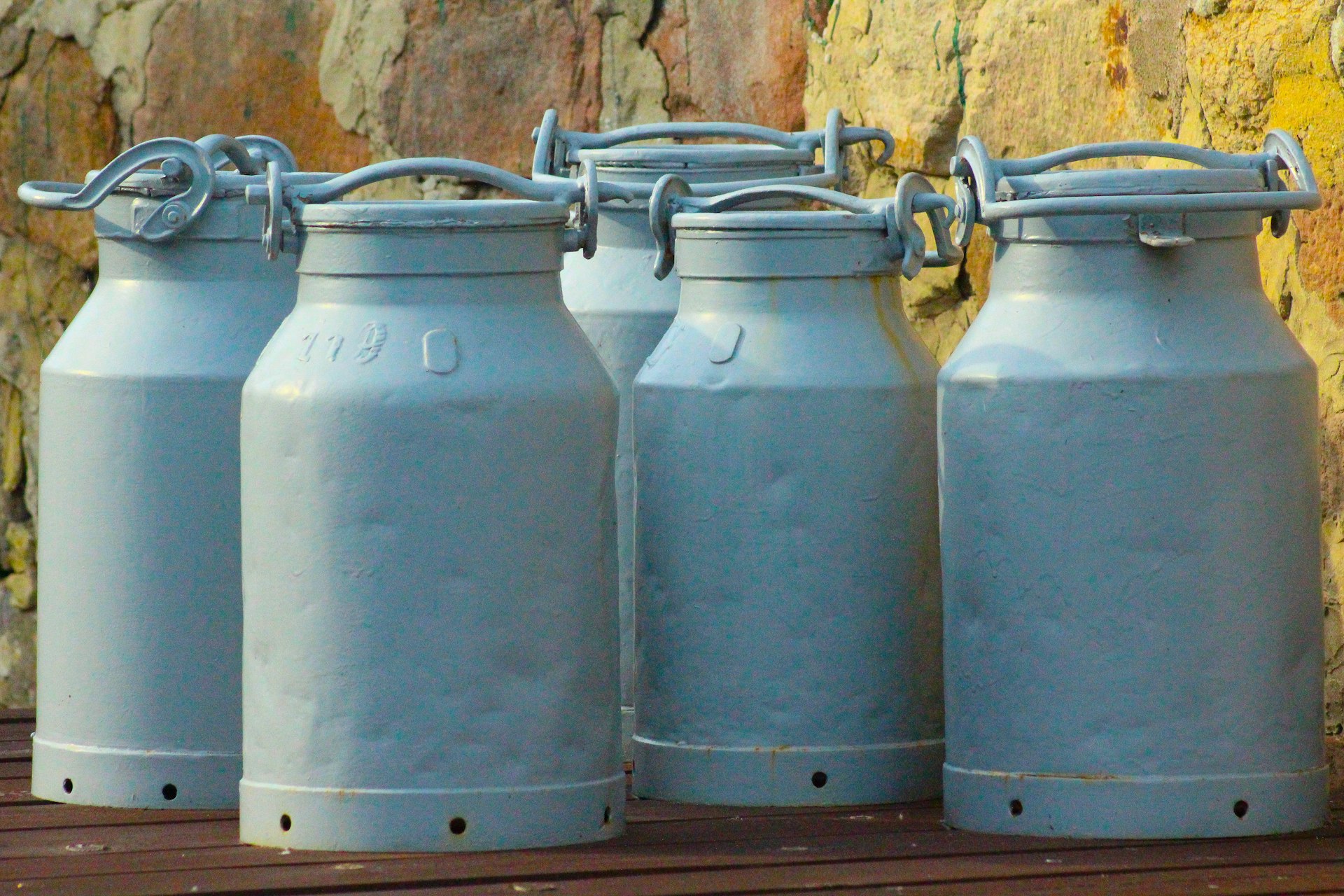
Clean milking setup with stainless steel bucket and teat cups — key for milk hygiene.

Why Sezer Milking Machines Matter in Kenya

Sezer Agriculture and Milking Technologies manufactures dairy equipment, and in Kenya, Medilink Vet Suppliers is the sole distributor. Their Kenyan range includes portable and trolley options — units rated at 200 L/min dry air vacuum capacity, 0.55 kW motors, and 30-litre stainless steel buckets. That combination suits both small farms and growing commercial units.

For Kenya, that matters because many farms still juggle labour shortages, inconsistent power, hygiene pressure, and the need to milk quickly before transport or delivery.

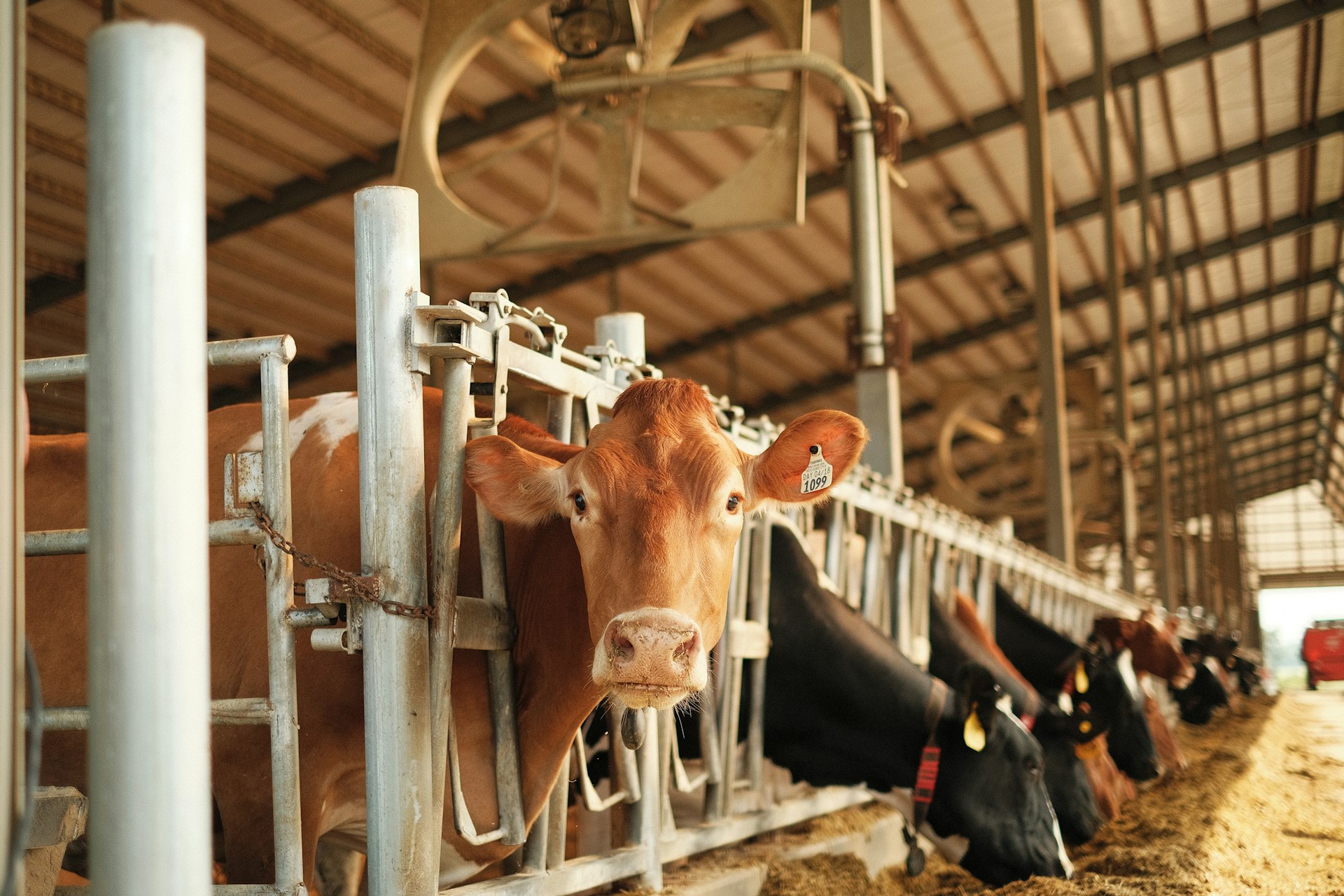
Medium-scale dairy unit using organized stalls and machine-assisted milking.

What Problem Does a Milking Machine Solve?

Labour Pressure: One person can handle milking more consistently than in hand-milking setups.

Milk Hygiene: Clean equipment and standard routines reduce contamination risk significantly.

Cow Comfort & Routine: Stable vacuum and pulsation give a more consistent milking pattern than tired human hands.

Scalability: When a herd grows from 2 cows to 8 or 20, hand milking becomes a bottleneck faster than farmers expect.

How to Decide If Investing Is Worth It

Step 1: Count milking cows, not total cows

Base the decision on the number of cows currently in milk. A farmer with 3 lactating cows has a different need from one with 12.

Step 2: Calculate labour and time savings

Write down current milking time per session, number of workers involved, daily labour cost, and milk losses from delays or poor hygiene.

Step 3: Check electricity reliability

Some Sezer options include off-grid configurations, which matters in areas with unreliable power. Medilink also highlights gas-engine options.

Step 4: Fix the basics first

Do not buy a machine and ignore feed, water, and housing. KALRO notes that dairy performance still depends on balanced feeding, clean water, proper housing, disease control, and milk handling.

Step 5: Train the milker

A milking machine is not magic. A badly cleaned machine can simply automate poor hygiene faster.

Proper teat dipping before milking helps prevent mastitis and improves milk quality

Practical Kenya Dairy Checklist Before Machine Milking

  • Clean, dry cowshed with good drainage
  • Plenty of clean water available daily
  • Separate sick cows from the main milking order
  • Strip cup check for first milk
  • Clean rubber gloves
  • Individual udder towels per cow
  • Post-milking teat dip
  • Daily cleaning routine for liners, claws, and buckets
  • Service schedule for pulsators, vacuum lines, and rubber parts

Production Benchmarks in Kenya


Benchmark Typical Value Ideal Target Notes
Smallholder herd size 1–5 cows 4–10 productive cows Kenya smallholder profile
Average yield/cow/day 7.6 L 10–20 L Improvement targets
 

Water need (dairy cow)


~60 L/day

More in heat/high output  

KALRO TIMPs

FMD vaccination Every 6 months Vet-directed plan Herd health manual


Simple Cost Example (KES)


Item Cost (KES) Notes
Entry Sezer portable unit 65,000 Medilink’s starting point
Cleaning supplies/month 2,000 Estimated
Minor service reserve/month 1,500 Estimated
Labour saved/month 9,000 KES 300/day × 30 days
Extra saleable milk/month 6,750 1.5 L/day × KES 150 × 30

Simple payback estimate: At ~KES 15,750/month combined gain, a KES 65,000 machine can begin paying back within approximately 4 months. Real farms vary, but the logic is solid where milking discipline is already strong. 

Maintenance & Cleaning

Daily washing and regular checks of liners, claws, pulsators, vacuum lines, and rubber parts are essential. Routine servicing prevents downtime and protects milk quality. A well-maintained machine is a profitable machine.

Daily cleaning of milking equipment is essential for milk quality and machine longevity.

Marketing and Selling Milk in Kenya

For small and medium farmers, the best sales channels are usually dairy co-operatives, neighbourhood direct sales, hotels, schools, milk bars, WhatsApp customer lists, and Facebook business pages for local buyers. Kenya’s formal milk sector is heavily structured around co-operatives, processors, and retailers.

Frequently Asked Questions

Q: Are Sezer Milking Machines worth buying in Kenya?

A: Yes — when the farm has enough lactating cows, a clean milking routine, and a clear labour-saving goal. Most valuable where hygiene, time-saving, and herd growth matter.

Q: What is the price of Sezer Milking Machines in Kenya?

A: Entry portable units can start from around KES 65,000, depending on model, accessories, and supplier terms. Larger trolley or multi-unit systems cost more.

Q: Who distributes Sezer Milking Machines in Kenya?

A: Medilink Vet Suppliers states it is the sole distributor in Kenya — important for warranty, spare parts, and installation support.

Q: How many cows justify buying a milking machine?

A: Even 2 to 4 lactating cows can justify a portable machine if labour is tight, milk hygiene matters, or the farmer plans to scale. The business case strengthens as milking cows increase.

Q: Do Sezer Milking Machines improve milk hygiene?

A: Yes, when used with strict cleaning, udder preparation, teat dipping, and mastitis control. A dirty machine does the opposite — cleaning discipline is non-negotiable.

Q: Can Sezer machines work where electricity is unreliable?

A: Yes. Some Sezer setups suit off-grid conditions, and Medilink highlights gas-engine options for certain farm situations.

Q: What diseases should dairy farmers control before machine milking?

A: Mastitis, FMD, ECF, anthrax, black quarter, and other locally relevant diseases need a vet-guided plan. Mastitis control is especially important for milk quality and udder health.


Leave a Comment

Your email address will not be published. Required fields are marked *

Scroll to Top